


A comprehensive guide to web design knowledge in 2026 – explaining web design in one article (collector's edition)

Web design is a comprehensive field that combines visual aesthetics,user experience,and technological implementation.It primarily involves planning and creating the overall appearance,layout,interactive flow,and visual style of a website.It encompasses not only visual design elements such as color,typography,and images,but also emphasizes operational logic,page navigation,and mobile device responsiveness,allowing users to easily browse information and interact with the platform.
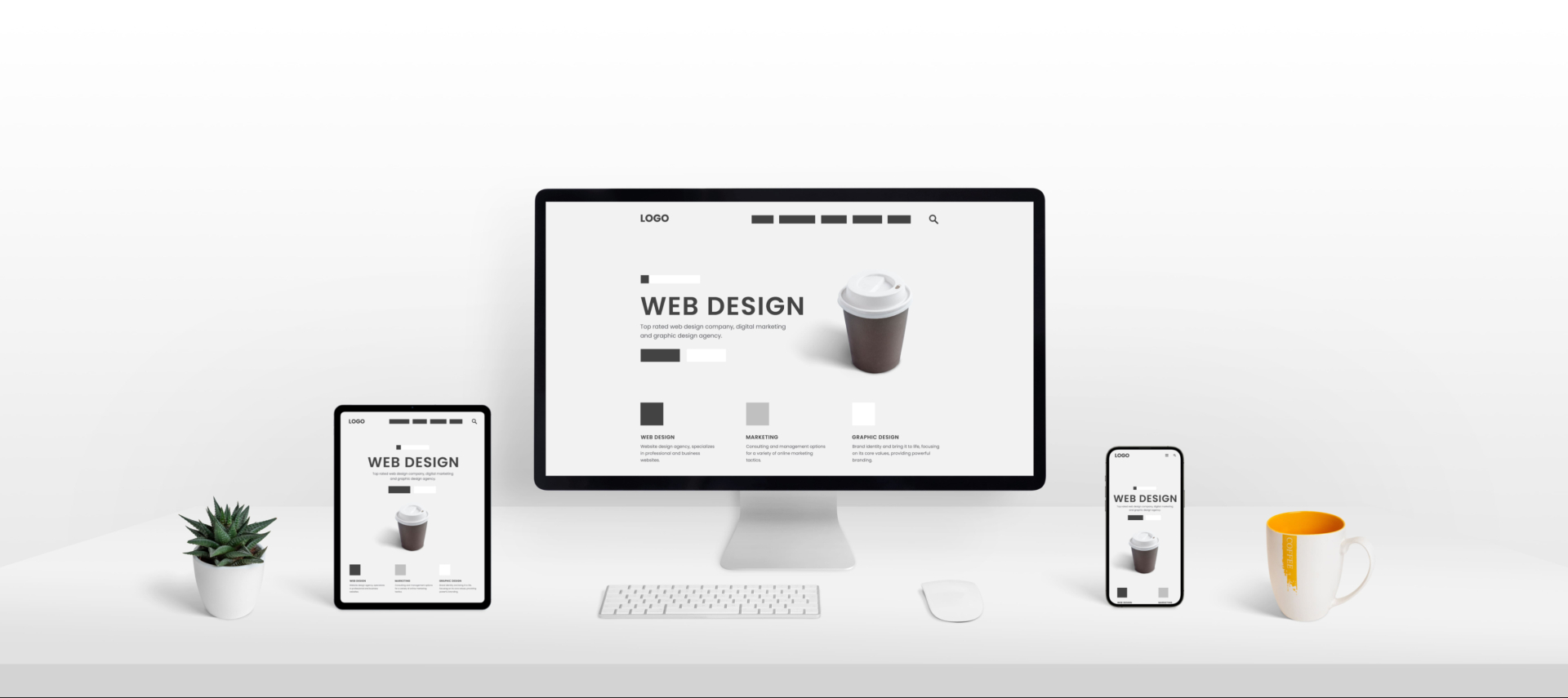
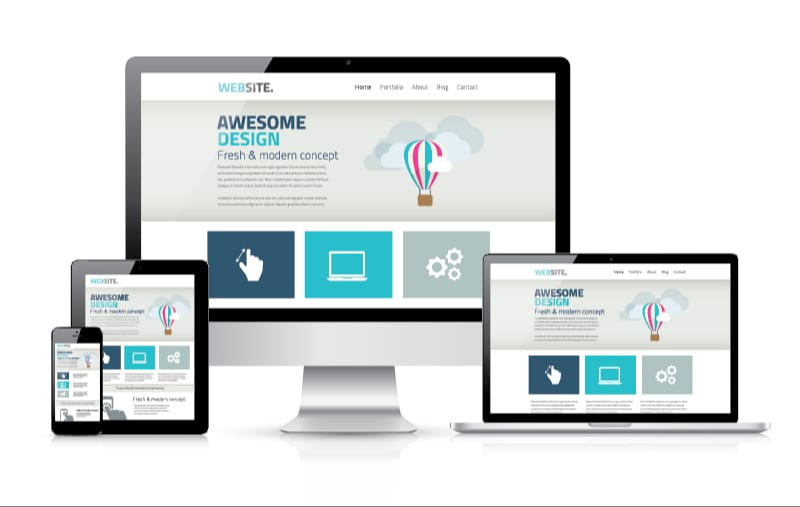
Modern web design balances aesthetics and functionality,requiring responsive front-end technologies to ensure a good experience on computers,tablets,and mobile phones.Excellent web design can enhance brand image,optimize user experience,and help businesses achieve their goals in advertising,marketing,or service conversion.Here are some of the most frequently asked questions during the web design process!
Question 1.Is web design suitable for my business?
Before deciding to implement web design,you might have this question:Is a website suitable for my brand or business?If I primarily sell services,will website design help me attract business?If I only want to showcase my portfolio online,do I need web design services?
The answer is:All brands and businesses are suitable for website development.Besides shaping your company or brand image and building customer trust,the most important aspect of web design is reaching and expanding your customer base,allowing potential customers to find your company more quickly through your website.Furthermore,developing your own website is like having a 24/7 shop,allowing you to promote your brand and increase exposure anytime,anywhere,thereby boosting website sales.With a customized website developed by a web design company,combined with various website promotion techniques such as SEO(Search Engine Optimization)and marketing strategies on social media(such as Facebook,Instagram,YouTube,and Twitter),you will undoubtedly increase your company's brand awareness in the industry,leading to booming business.In addition,a well-designed website can provide more diverse customer service such as Q&A,self-service ordering and payment,and promotions and discounts,helping to reduce labor costs and shorten transaction time.
Question 2.Types of Website Design
Before searching for a website design company and comparing prices,understanding the types of website design will help you choose the most suitable one.
Web design is mainly divided into three categories:Static Websites,Dynamic Websites,and WebsiteBuilders.
Static website design primarily displays plain text and images.It can include text,images,sound,GIFs,and Flash elements,but does not include website programs or backend databases.It is a relatively simple website design,suitable for websites with infrequent updates and simpler content,such as official introductory pages or personal portfolio displays.
Dynamic web design:Utilizes servers and backend databases,incorporating web programming(such as JS,PHP,ASP)to enhance web functionality and interactivity.Suitable for websites with frequent updates and diverse content,such as online stores,forums,and social media platforms.
Website hosting platforms:Offer pre-defined website design templates and commonly used functions.Clients simply create an account on the platform and select their preferred template and features to immediately use and update their website content.
These three types of web design are used for different purposes.For unique,customized web designs,we recommend the first two types and consult a web design company for more information on interface design and programming.
Question 3.What is the general price of web design?
Generally,web design companies charge several thousand dollars,but the final price will be based on the features offered.Besides website development costs,you may need to pay for subsequent web design-related expenses such as domain extension fees,server rental fees,and website maintenance.If you wish to use SEO services such as paid keyword advertising and page ranking promotion to increase exposure in Google search,there will be additional charges.
Question 4.What is the website design process?
The basic process of"website design"is as follows:
1.Understanding the user's needs for web development
The web design company will first understand the client's concepts and needs,study the feasibility of the web design project and assess the workload,and propose a continuous technology strategy for the website production project.
2.Website Design Functions
Based on the'Website User Needs List'determined in 1),further consider the actual'website functions'required for website design and establish a clear'Website Design Function List'.Software and hardware functions are the main website design functions.
3.Providing the Client with a Website Design Quote and Signing a Project Contract
The website design company drafts a'Website Design and Development Quote'based on the'Website Design Function List'.At this stage,the client must ensure they have a full understanding and expectation of each function,and the website design company is responsible for carefully describing the design concept of each function and the overall operation process of the website design.
4.Web Design User Flow Design and Interface Design
Based on the"Website Design Function List"established in 2),further plan the"shortest and most efficient operation flow."One important web design technique involved is called"User Experience(Optimization)Design,"which aims to achieve a website design that requires no explanation,allowing users to directly use various web page functions.Furthermore,general interface design(UI)is tailored for end users,not just for aesthetics.UI/UX designers incorporate user characteristics,actual website usage scenarios,and user familiarity with the website into this step,considering page design,information layout,and user experience.They provide ample prompts to guide users smoothly and quickly through the website's functions and processes,while ensuring administrators receive accurate and concise information to provide further assistance or services to website users.
5.Programming Language(Coding)
The web designer will use appropriate programming languagesand web programming techniques,such as HTML,CSS,and JS,to design the website's user flow,functionality,and UI/UX,according to the previously agreed-upon quotation.
6.Client Staging Environment
User acceptance testing is conducted,and the web design company simultaneously performs debugging.
7.Website Launch
After the website design is completed and accepted by the client,it is officially launched and goes live.
After acceptance,the development team will hand over the relevant website design documents and code to the client and provide free maintenance services during the warranty period.
The entire process from website design discussion to quotation and contract signing takes approximately 1-2 weeks,while website design itself takes one to three months,depending on the complexity of the website design.
Question 5.Website design and production time?
If it's a simple template-based website design,UI/UX design takes approximately 7 to 10 days,and programming takes 3 to 5 days.Because this type of website design isn't custom-made,it may not fully meet the client's needs,and there's less flexibility for modifications;the advantage is the faster price and completion speed.
For customized website design,the production time depends heavily on the number of interface design revisions and the type of website.This process requires close communication and collaboration between the UI/UX designer and the client to achieve a satisfactory result.Furthermore,because these are customized websites,web design companies need to understand the client company's industry characteristics,conduct industry analysis,and communicate functionalities,resulting in longer preparation time and higher costs.However,you will have a unique responsive web design(RWD)that perfectly meets your company's needs,and you can also expand the website's functionality.Generally speaking,the UI/UX design for this type of website takes about one to two months,and the programming time is one to two months.
Question 6.What characteristics should a good"web design"possess?
A good web design not only needs an aesthetically pleasing and attractive interface and comprehensive functionality,but also the following elements:
1.Responsive Web Design(RWD)
Today,users primarily browse the web on mobile devices such as smartphones and tablets.Therefore,it's crucial to ensure that the completed web design displays clearly and smoothly on various screen sizes.
2.Search Engine Optimization(SEO)
The website design should be'SEO-friendly,'meaning the URL structure and content should clearly convey key information,making it easier for Google to identify the page's focus and improving its ranking in Google search results.
3.User Experience
Good web design considers the end-user's perspective.For example,it uses simple and intuitive buttons that allow users to understand their functions and uses without much thought.
4.SSL Certificates/HTTPS
SSL certificates are a technology used to maintain secure network connections and encrypt any data transmitted between two systems.HTTPS appears in the URL when a webpage is protected by an SSL certificate.This is an encryption technology that helps protect data transmitted between the two parties on the webpage.
5.Browser Support
A completed webpage design should support various browsers such as Chrome,Safari,Firefox,Edge,and Opera.
6.Smooth and Easy-to-Use Front-End and Back-End Development Systems
Web design companies need to design smooth and easy-to-use back-end systems for the website,allowing administrators to efficiently change and update front-end web page content.
7.Automatic Backup and Emergency Recovery
At least daily automatic backups should be performed.In the event of a technical error that renders the website unusable,it should be able to quickly restore it to its previous state.(The backup should include:coding,content,data,and web configuration).
8.CMS Article Management System
A CMS is a management tool that allows website administrators to modify website content without the assistance of programmers,without damaging the website's structure and design.WordPress,Dupal,and Joomla are generally considered convenient web article management tools on the market.How should you choose?
9.Image Compression
When clients upload images,they tend to modify them or upload the complete image first,often causing the overall page size to increase several times.Some visitors with limited internet speeds may abandon the page or return to the previous page due to long loading times,resulting in a high bounce rate,directly impacting SEO scores and rankings.Therefore,compressing images without affecting clarity is a professional skill.