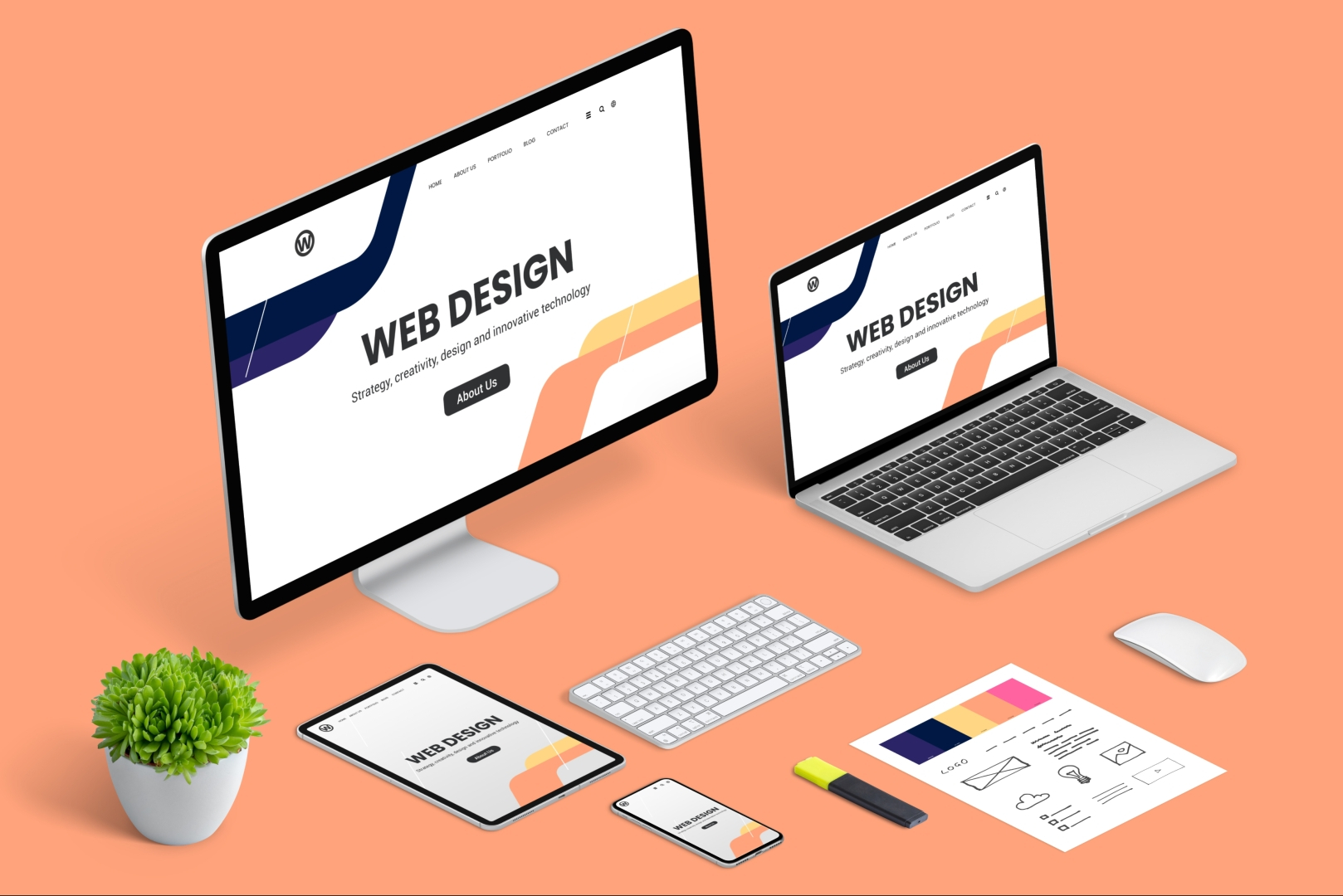



Web design isn't just about aesthetics — it's the key to attracting customers and growing your brand value

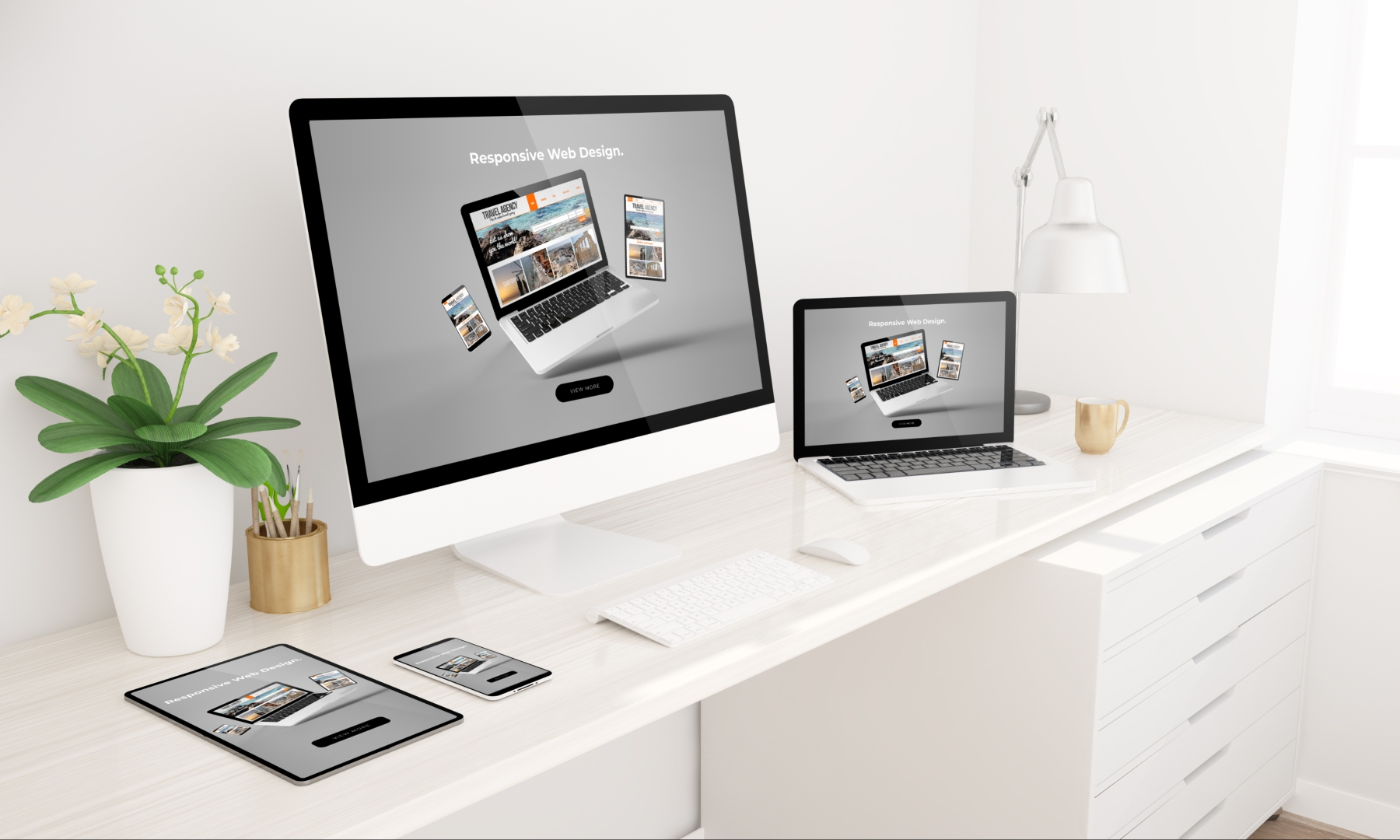
In the digital age,a website is no longer just a brand's online storefront—it is the first point of contact between a brand and its potential customers.It is the core battleground for converting traffic,retaining users,and driving brand value growth.Many brands mistakenly believe that web design only needs to look good,overlooking the fact that great web design is essentially a fusion of aesthetics and business functionality.It not only captures users'attention but also closes the loop on customer acquisition and brand value growth—making it a core competitive advantage that cannot be ignored in Google SEO and digital marketing.
For any brand,the value of web design has never been limited to visual presentation.Behind it lie the multiple needs of brand trust,user experience,and business conversion.Especially within the Google search ecosystem,user experience(UX)has become a core ranking factor.High-quality web design not only improves search rankings but also helps brands stand out among competitors,turning traffic into customers and customers into brand assets.Below,we break down the key role of web design in customer acquisition and brand value growth across four core dimensions.
1.Improve Google Search Rankings and Capture Free Traffic
The core goal of Google SEO is to help potential customers find you actively.Web design directly affects key ranking factors such as Googlebot crawlability,user dwell time,and bounce rate—all of which determine where your brand appears in search results.The higher you rank,the more free,high-quality traffic you can capture.
From an SEO perspective,great web design must meet two core requirements.First,on the technical side:fast loading speed(mobile load time≤3 seconds),responsive design(compatible with phones,tablets,desktops,and all devices),and clean,crawlable code.These are the fundamentals for earning Google's favor.Second,on the content side:clear page structure and intuitive navigation that allow users to find high-value information quickly.
For example,consider two brands in the same industry with similar products and prices.Brand A has a fast-loading website with a smooth mobile experience.Brand B's website is slow and cluttered.Brand A will almost certainly rank higher on Google and attract more potential customers through organic search.This is the passive customer acquisition advantage that web design provides—and a core pathway to low-cost customer acquisition.
2.Build a Professional Brand Image and Establish User Trust
A user's first impression of a brand often comes from its website.A cluttered,poorly colored,or blurry website will instantly make users question the brand's professionalism and reliability.In contrast,a well-designed website with a consistent style and attention to detail quickly communicates the brand's core value and positioning—building user trust.And trust is the foundation of brand value growth.
High-quality web design integrates brand elements(logo,colors,typography,messaging)into every detail.For example,luxury brands use clean layouts and low-saturation colors to convey elegance.Tech brands use sharp lines and bright tones to communicate innovation.Local service brands highlight contact information and case studies to build trust.This visual consistency not only helps users recognize the brand instantly but also makes them feel the brand's professionalism—lowering their decision-making barriers and making them more willing to learn about the brand's products or services.
From a brand value perspective,increased user trust directly leads to two major benefits:higher conversion rates(turning visitors into customers)and greater customer loyalty(repeat purchases and referrals).Both are essential components of a brand's intangible assets,allowing the brand to accumulate value over the long term.
3.Optimize User Experience and Increase Conversion Rates
At its core,web design is user-centered.And the ultimate goal of customer acquisition is conversion—whether that means lead generation,inquiries,or direct purchases.A great user experience is the key to making conversions happen.Many brands drive significant traffic through SEO but fail to convert because of poor website experience,wasting valuable acquisition opportunities.
Web design that optimizes user experience focuses on three main areas.First,clear navigation:users should be able to find what they need(product pages,About Us,contact information)within three seconds,without getting lost.Second,prominent conversion touchpoints:for example,highlighting core products above the fold,adding a fixed contact button at the bottom,or including inquiry pop-ups—all of which reduce friction for users.Third,streamlined user flows:minimizing the number of steps required to complete an action.
For example,a local restaurant brand uses responsive web design to let users quickly view menus,book tables,and find store addresses on their phones.The user journey is simple and smooth,so conversion rates naturally increase.If the website forces users to navigate through multiple pages just to find the booking button,most users will give up—and traffic is lost.Clearly,the quality of web design directly determines conversion efficiency and is critical to turning customer acquisition into real results.
4.Strengthen Brand Differentiation
When competitors are all chasing"good-looking"websites,great web design becomes a brand differentiator.It helps a brand establish a unique identity in a crowded market—and that drives brand value growth.This differentiation is not just about visual design;it also includes user experience and how brand value is communicated.
For example,among e-commerce brands,some focus on simplicity and efficiency,helping users find products and check out quickly.Others focus on immersive,scenario-based experiences,using lifestyle images and customer stories to show the real value of their products.Still others focus on interactivity,using surveys,sweepstakes,and live chat features to increase user engagement.These differentiated design approaches leave a lasting impression on users,set the brand apart from competitors,and strengthen its core competitiveness.
From a long-term brand value perspective,differentiated web design not only attracts more targeted users but also helps the brand build a loyal audience over time—creating a virtuous cycle of user recognition,brand reputation,and increasing value.This kind of UX-driven differentiation is difficult for competitors to copy and is a core advantage for sustainable brand growth.
Conclusion
In summary,web design has never been about appearances alone—it is a core tool for customer acquisition and brand value growth.It helps brands capture free traffic through Google SEO,enabling low-cost customer acquisition.At the same time,it builds user trust and drives intangible brand value growth by shaping a professional image,optimizing user experience,and strengthening differentiation.