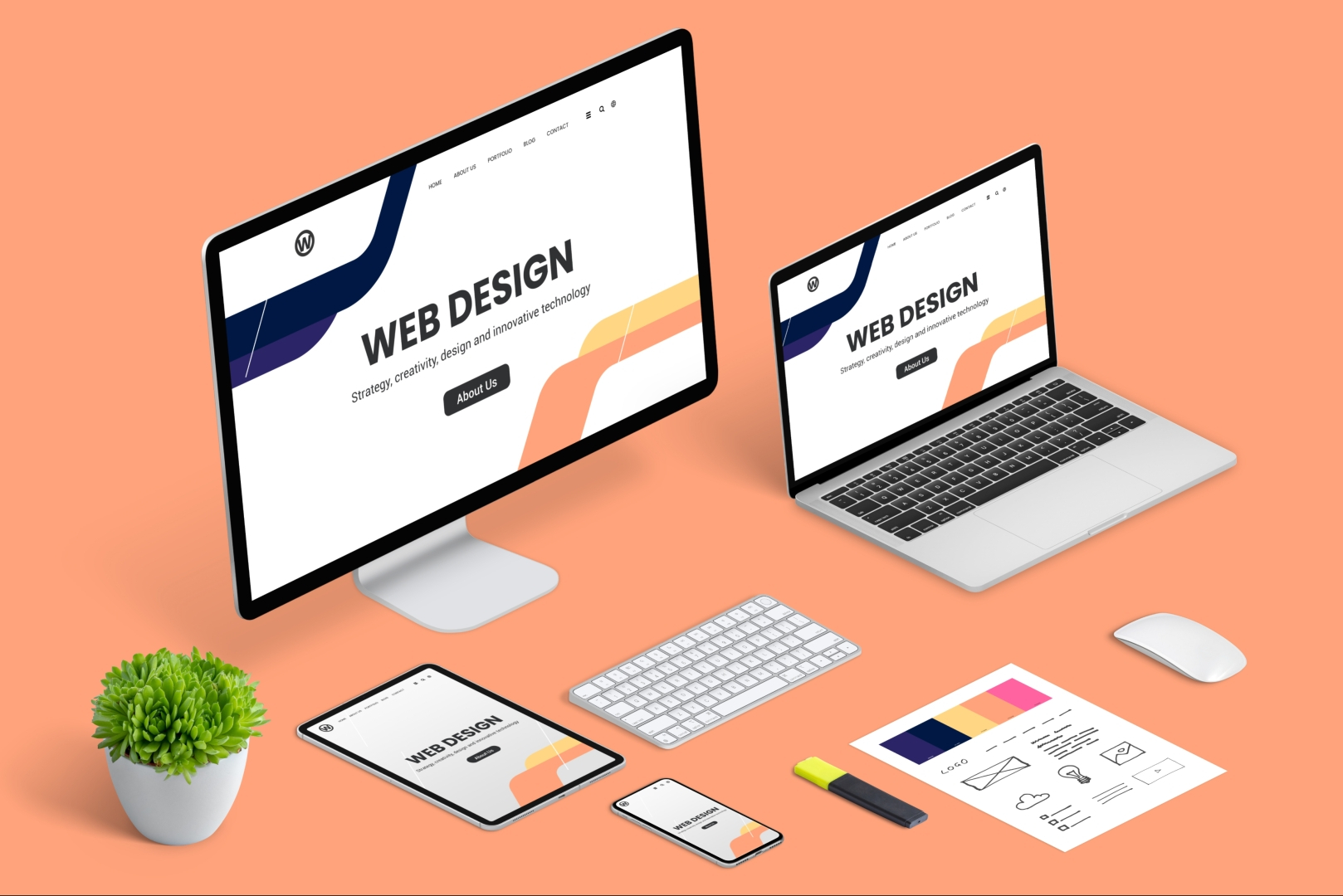



Website Design Expert: 5 Key Concepts for Creating an Excellent Website

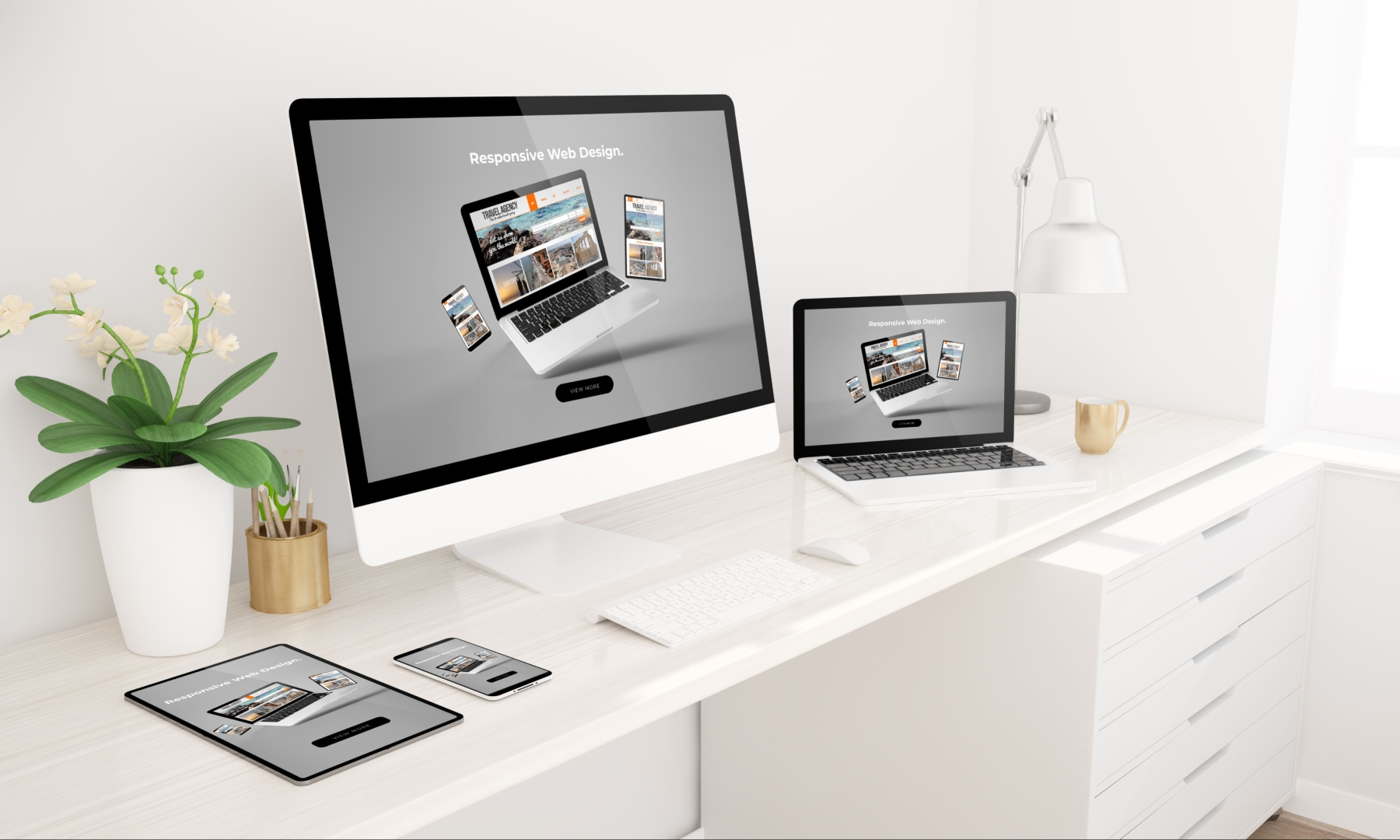
A high-quality website is never just about looking good—the solidity of its underlying technology is the core factor determining user experience and conversion rates. Below are five fundamental and crucial concepts in web design. Whether you run your own website or collaborate with a full-service web design company, you can use these concepts to ensure your website is both aesthetically pleasing and functional.
1. Responsive Web Design (RWD): The Foundation for Cross-Device Experience
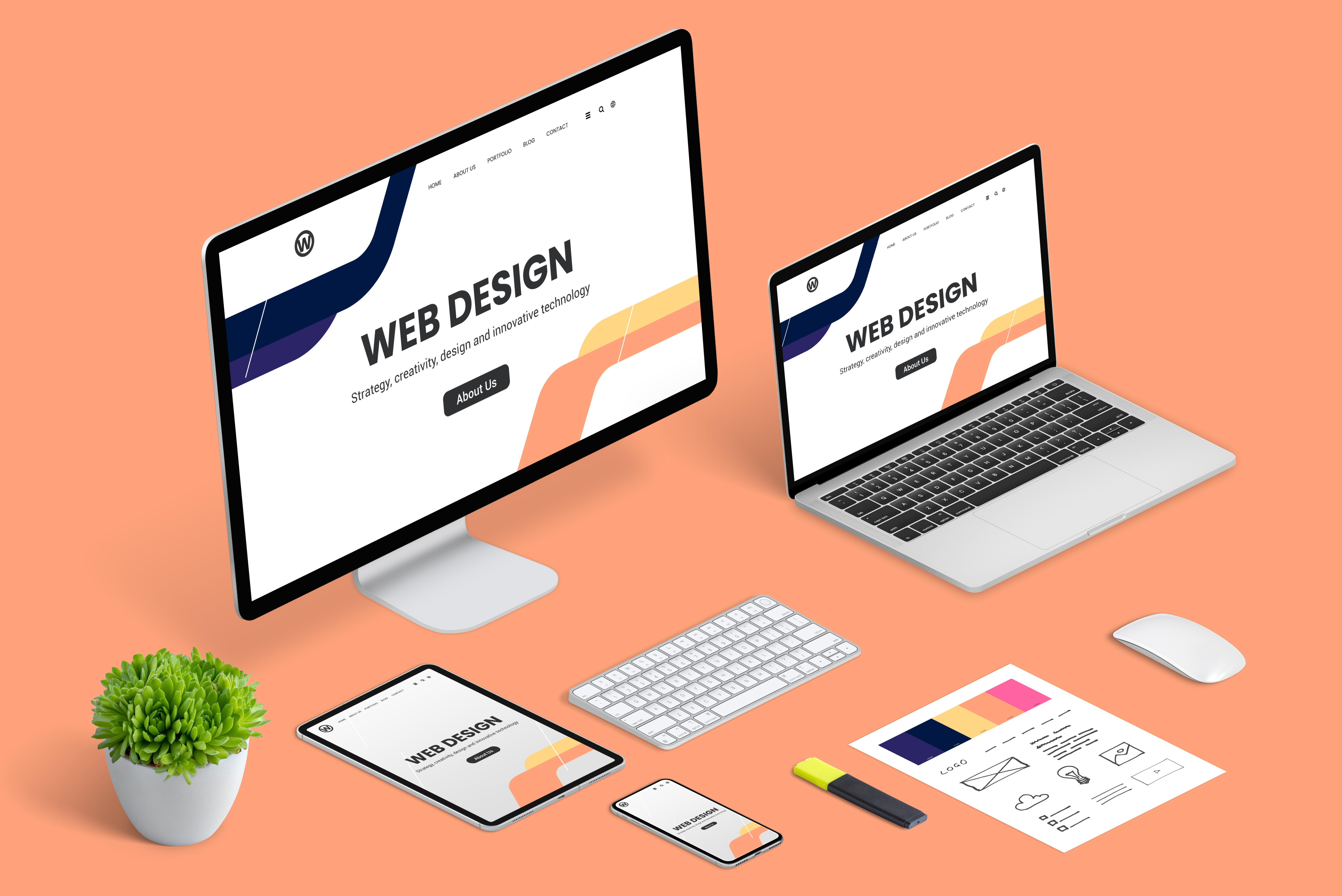
With mobile browsing usage constantly increasing, responsive design is no longer a bonus, but a necessity. The core of RWD is to automatically adjust the website layout, image size, and font size according to the screen width of different devices such as computers, laptops, and mobile phones, ensuring a smooth browsing experience regardless of the user's device.
Even though most full-service web design companies tout this technology, it's still recommended that you clearly confirm before collaborating: whether it achieves full device compatibility, rather than just simple adjustments for mainstream devices.
2. Clear and Easy-to-Understand Website Architecture: The Three-Click Principle, Reducing User Search Costs
An excellent website architecture is essentially user-oriented information navigation. A core principle is: important information should never require users to click more than three times to find.
No matter how rich the website content, a well-defined navigation bar and clearly categorized subpages should allow users to understand the website's logic at a glance. This requires finding a balance between information completeness, visual aesthetics, and user experience—a seemingly simple architecture is actually the most challenging test of a web design company's planning skills.
3. Emphasize User Experience (UX): From Designer's Choice to User's Convenience
The ultimate goal of web design is to make users want to stay and interact. This requires moving beyond the designer's subjective aesthetics and starting from the usage habits of the target audience:
Place core buttons according to user browsing habits (e.g., "Contact Us Now" or "Purchase Product Now");
Guide users through intuitive UI design (button styles, color contrast);
Combined with a clear website architecture, users can find the information they want without thinking.
After all, a website that looks good but is not user-friendly will ultimately only waste traffic and opportunities.
4. SEO-Friendly Backend Architecture and Categories: Making Your Website Visible to Search Engines
For websites with marketing needs, the SEO-friendliness of the backend directly determines the website's traffic ceiling. When collaborating with a full-fledged web design company, be sure to confirm that the backend has the following features:
Support for custom page titles, keywords, and descriptions;
Individually set image ALT attributes;
Generate clean static URLs, avoiding the accumulation of dynamic parameters.
At the same time, it's crucial to understand that overly elaborate dynamic effects conflict with the essence of SEO. Too many animations not only slow down page loading speed (affecting SEO ranking) but also distract users, leading to a higher bounce rate. Dynamic effects should be used judiciously, serving the user experience rather than overshadowing it.
5. SSL Security Certificate Installation: The First Line of Defense for Building User Trust
Whether it's a corporate website, a brand image website, or a news platform, website security directly impacts user trust. If the browser address bar displays an insecure warning, it will not only cause users to leave immediately but also lower the website's ranking in search engines.
SSL certificates enable encrypted data transmission on web pages, displaying a padlock icon in the address bar, which is the foundation for establishing user trust. Most full-service web design companies currently offer this service; the main difference lies in the level of credential – selectable based on website type and needs.
East Tech: Your Exclusive Full-Service Web Design Partner
East Tech provides customized RWD (Real-World Design) website design services, covering diverse scenarios such as corporate websites, news websites, and personal web pages, precisely matching different business needs and brand positioning.
We firmly believe that a website is the first touchpoint between a brand and its users. Only a website that combines aesthetic design with underlying technical expertise and marketing acumen can become the most persuasive visual calling card for a brand. Free inquiry welcome (Tel: 2331 3344)!